At Foo Lab, our mission is to achieve impactful scientific discoveries through world-class research. We are a cardiac centric lab involved in clinical and basic science research into heart failure.
The main interest of the Foo Lab is in the molecular mechanisms that regulate cardiac biology and disease; particularly genomic, transcriptomic and epigenomic patterns. Previously we have utilised single cell RNA-sequencing to identify cardiomyocyte subpopulations that transition to immature dedifferentiated cell states during Heart Failure and to characterise novel deregulated RNAs such as circular or long non-coding RNAs.
Another key interest is to understand genetic variation that influences disease risk and biology particularly in relation to South East Asia. We have mapped out the global cardiac enhancer–promoter landscape, and identified genetic variants that influence inter-individual variation through cis regulatory activity.
The lab also takes special effort to adopt, implement and optimise new technologies which are fundamental to evolving our understanding of biology and disease. Recent examples include moving into spatial RNA-sequencing, developing RNA sensors and carrying out functional genomic screens using CRISPR based tools. Other established technologies that we rely heavily upon include embryonic stem cells and induced pluripotent stem cells, as well as refined methodologies for primary cell cultures, in vivo surgical models and AAV-based gene therapy approaches.
In addition to all things molecular and cardiac research, the Foo Lab is passionate and committed to training young scientists and clinician-scientists, inspiring knowledge and challenging people. Last but not least, Foo Lab has also begun to participate in population health initiatives and outreach, such as through the Queenstown Health District*, to promote a Heart Healthy Singapore.
Stay tuned for upcoming updates, publications and opportunities to work with us.
We use gene expression technologies like RNA-seq, circ-RNA-seq, sc-RNA-seq and spatial transcriptomics to understand pathways and gene expression in the heart and identify new molecules for characterisation.
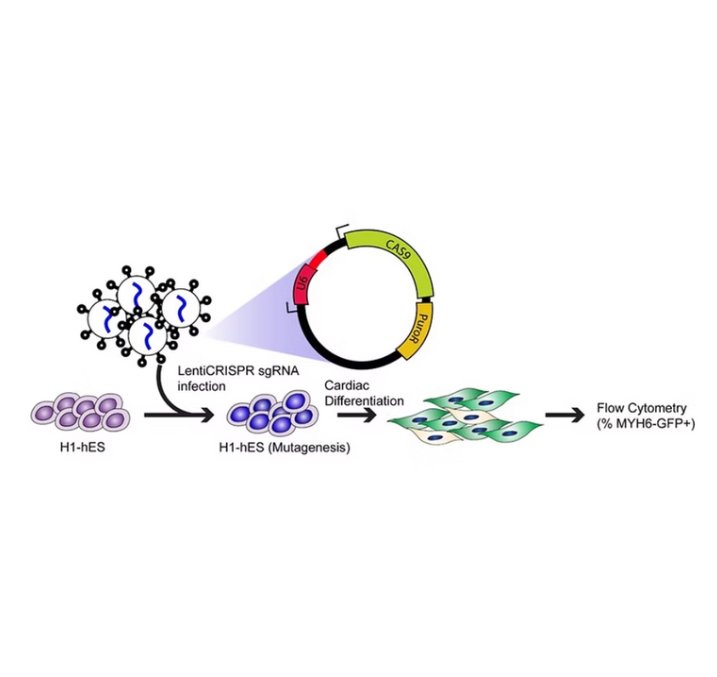
CRISPR-screening, both conventional and CRISPRi/CRISPRa, can facilitate the functional elucidation of genes and pathways in processes in an unbiased and genome wide-scale. We have used this to understand how cardiomyocytes deal with stress and how they differentiate and mature using hESC/iPSC models.
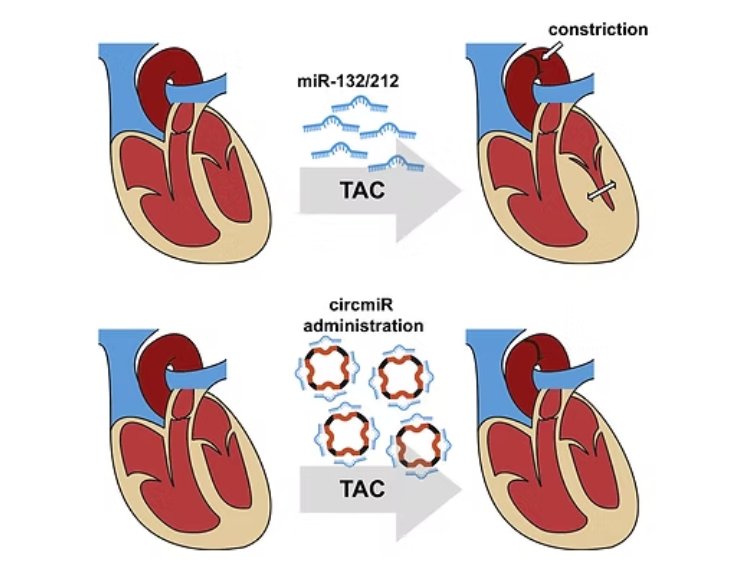
Gene therapy in the form of delivering genes via mRNA, circular RNA and AAV methods in vivo allows us to test pathways and molecules that can influence heart function and pave the way for new medicinal targets.
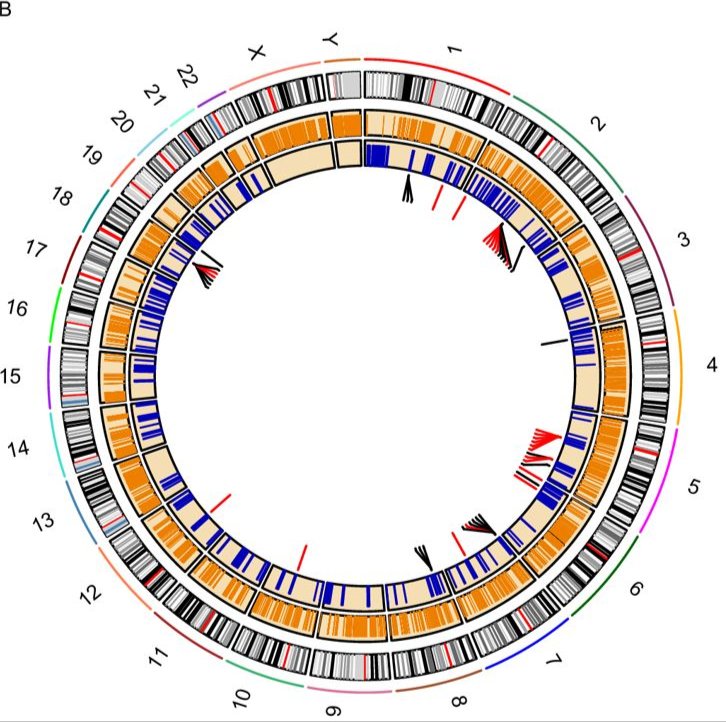
Technologies are rapidly improving year on year. We adopted RNA-seq and scRNA analysis early in the field and identified molecules that change during cardiac stress, cardiomyocyte dedifferentiation. Some included novel RNA species such as long noncoding and circular RNAs. We are also adopting spatial RNA-seq in the lab.
Long non-coding RNAs (and now micropeptides) and circular RNAs as well as pathways such as dedifferentiation and reprogramming need mechanistic study to understand how to manipulate these processes in heart health and disease. We have and continue to work on a number of these molecules and pathways to identify new drug targets and molecular regulators of heart health and metabolism.
We have mapped the global cardiac enhancer–promoter landscape and characterised genetic variants influencing disease risk through cis-regulatory activity, with a particular focus on Southeast Asian populations.
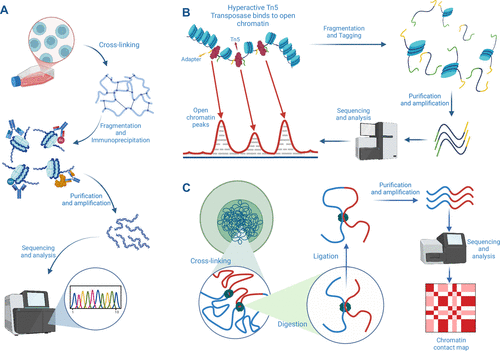
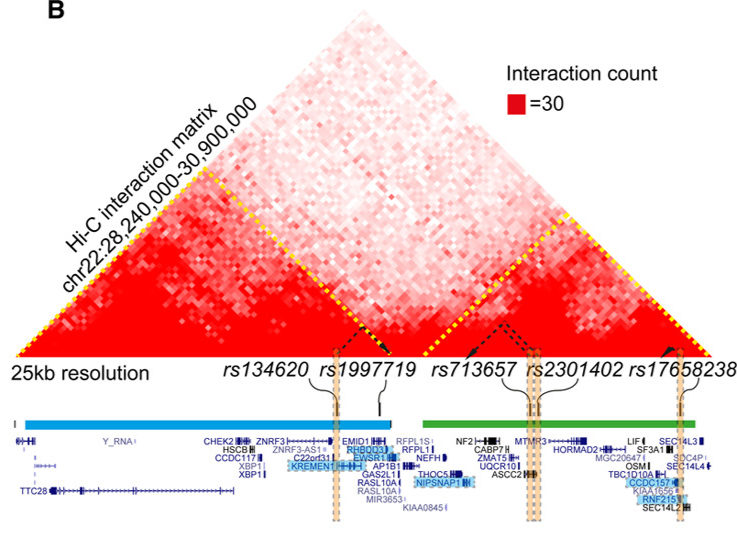
We have published global maps of the cardiac enhancer–promoter landscape using ChIP-seq, ATAC-seq and Hi-C approaches. These maps allow us to understand how gene regulatory elements control cardiac gene expression in health and disease.
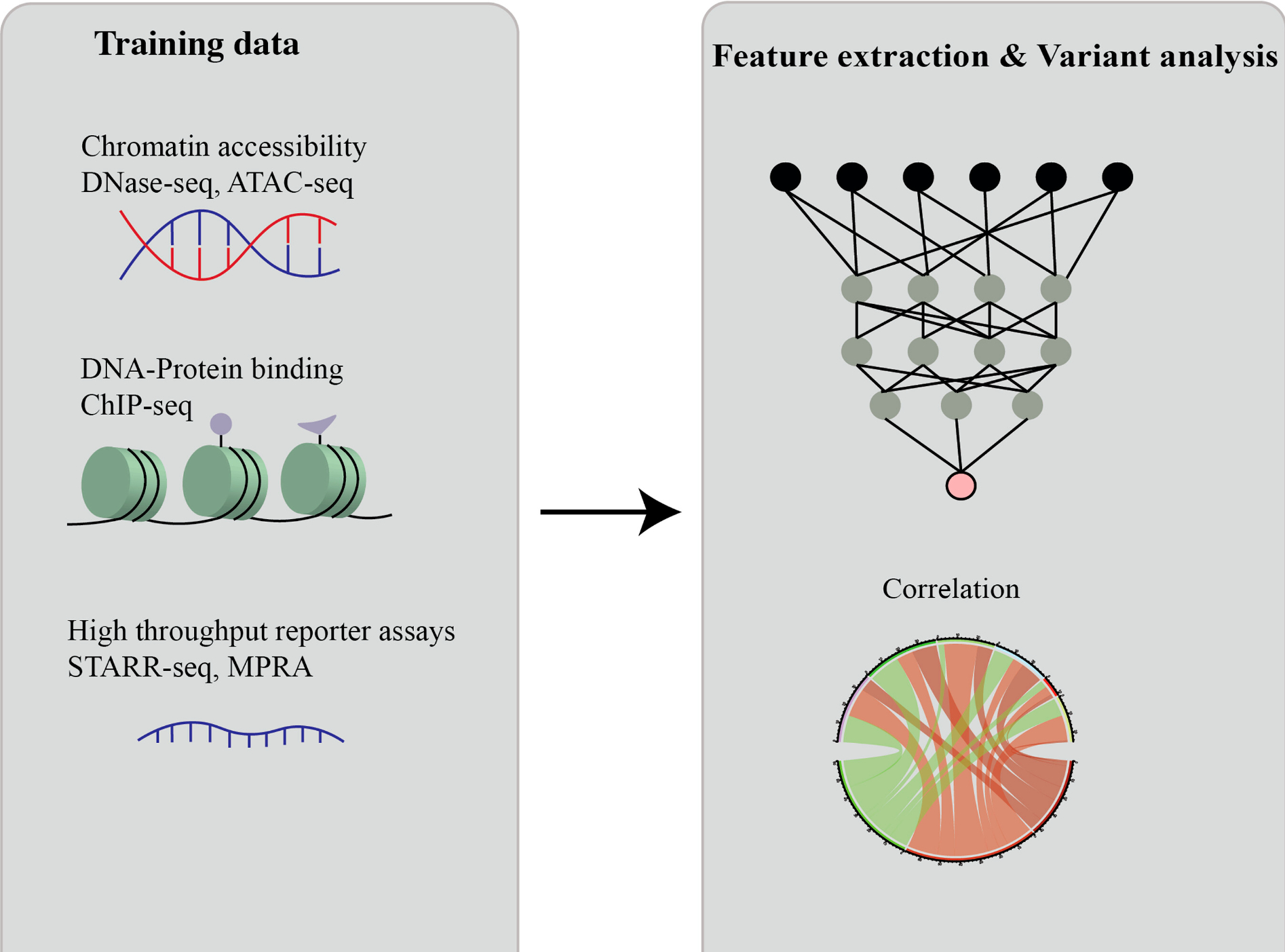
We identify genetic variants — particularly those enriched in Southeast Asian populations — that influence disease risk through cis-regulatory activity. This connects population genomics with mechanistic cardiac biology.
In 2017 the lab published an in-depth analysis of cardiac chromatin 3D organisation, delineating detailed maps of cardiac enhancer–promoter interactions. We continue to study how 3D genome architecture regulates gene expression in the failing heart.
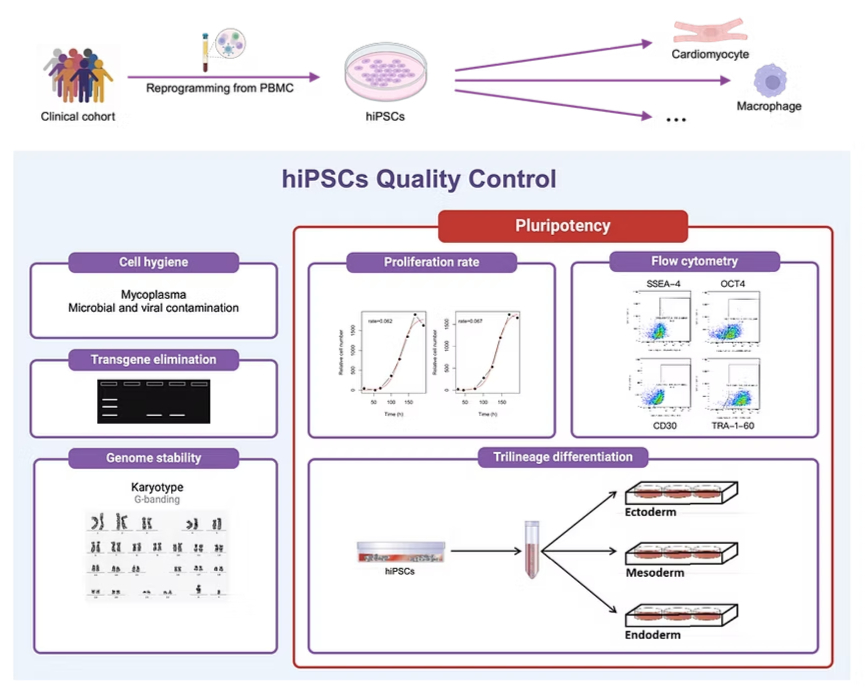
Using human embryonic and induced pluripotent stem cells, we model cardiac disease in vitro to probe cell-state transitions and test therapeutic interventions at single-cell resolution.
We have developed and refined protocols for differentiating human embryonic and induced pluripotent stem cells into cardiomyocytes, cardiac fibroblasts, endothelial cells and smooth muscle cells for use in disease modelling and drug testing.
A key question in cardiac biology is how cardiomyocytes transition between cell states during injury and regeneration. We use single-cell transcriptomics and epigenomics to map these transitions and identify regulators that could be targeted therapeutically.
Working with Dr Matt Ackers-Johnson, we have developed multicellular in vitro models of cardiovascular disease to study the intercellular signalling between diverse cardiac cell types — particularly during the inflammatory response following ischemic injury.